Electrical troubleshooting encompasses a systematic process of accurately identifying, diagnosing, and ultimately fixing faults in electrical equipment and circuits.
What Is Electrical Troubleshooting?
This process involves figuring out why a circuit or device is not working properly. Electricians will inspect, measure, and use experienced reasoning rather than replacing components.
Safety is essential during this process, whether it is done in homes, commercial buildings, or industrial settings. Proper electrical troubleshooting can prevent hazards like equipment damage and electrical fires.
Why Is Electrical Troubleshooting So Important?
Troubleshooting allows technicians to fix the faulty component instead of replacing the entire system. This will save home/business owners both time and money.
This process also ensures safety, code compliance, which results in the reliable operation of these systems.
Electrical Troubleshooting Steps
Before attempting to troubleshoot any electricals at home, make sure you have the following tools on hand:
- Multimeter.
- Voltage tester.
- Insulated tools and PPE.
- Wiring diagrams.
Step 1. Take All Safety Precautions
- Make sure to first turn off the power at the main breaker.
- You could also use lockout/tagout procedures.
- Always wear safety glasses, insulated gloves, and utilize insulated tools to protect against electrical shock.
- Avoid working in any areas that appear wet.
Step 2. Determine The Source Of The Problem
- Figure out where and when this problem began.
- Determine whether the issue is constant or intermittent.
- Is it possible that any recent changes caused the issue?
Step 3. Visual Inspection
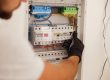
- Signs like loose connections, corrosion, damage components, or burnt wires should make the problem obvious.
Step 4. Measurement/Testing
- Use multimeters or voltage testers to properly check for voltage, continuity, and flow.
- This will help to isolate the faulty section or component of the circuit.
Step 5. Finding Common Faults
- Typically, electrical issues can be categorized three different ways.
- Short circuits occur when current flows in the wrong places, causing breakers to trip.
- Breaks in the path stopping current flow are referred to as open circuits.
- Ground faults can be very dangerous, especially in wet areas.
Step 6. Isolate And Repair
- Once the faulty wiring or component has been identified, you can either repair or replace it.
- Complex systems call for the services of professional electricians.
Step 7. Test To Verify
- Once repaired, restore power and test the system under normal operating conditions.
- This will ensure the problem has been resolved.
SHIELD’S ELECTRIC IN TEMPE, ARIZONA
Family owned and operated since 1957, Shields Electric, Inc. is one of Arizona’s most experienced electrical contractors. Our commercial, residential and institutional clients benefit from our decades of experience in a wide range of market segments and project types throughout the state of Arizona. Contact us today for a free quote!