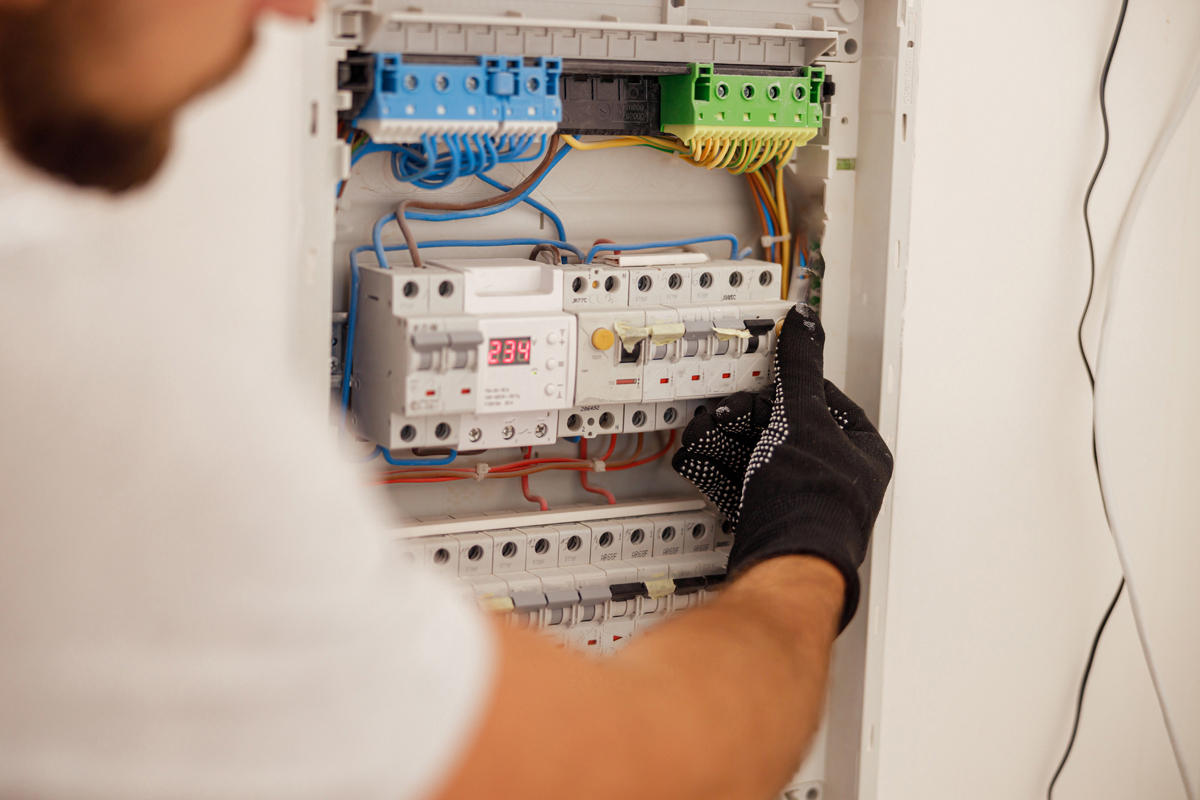
Electrical circuit troubleshooting encompasses a systematic process of accurately identifying, diagnosing, and ultimately fixing faults in electrical equipment and circuits.
What Is Electrical Troubleshooting?
This process involves figuring out why a circuit or device is not working properly. Electricians will inspect, measure, and use experienced reasoning rather than replacing components.
Safety is essential during this process, whether it is done in homes, commercial buildings, or industrial settings. Proper electrical troubleshooting can prevent hazards like equipment damage and electrical fires.
Troubleshooting allows technicians to fix the faulty component instead of replacing the entire system. This will save home/business owners both time and money.
This process also ensures safety, code compliance, which results in the reliable operation of these systems.
Troubleshooting Electrical Circuits Steps
Before attempting to troubleshoot any electricals at home, make sure you have the following tools on hand:
- Multimeter.
- Voltage tester.
- Insulated tools and PPE.
- Wiring diagrams.
- Circuit breaker finder.
- Clamp meter.
Step 1. Take All Safety Precautions
- Make sure to first turn off the power at the main breaker.
- You could also use lockout/tagout procedures.
- Always wear safety glasses, insulated gloves, and utilize insulated tools to protect against electrical shock.
- Avoid working in any areas that appear wet.
Step 2. Gather Information
- Next, you must be able to identify a few potential symptoms.
- Figure out what stopped working, when the issue began, and whether the fault is intermittent.
- Recent changes like weather events or new appliances can ultimately create issues.
Step 3. Visual Check
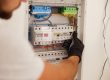
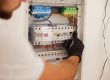
- Check the breaker for any loose or damaged wires.
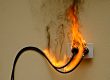
- Burns or scorch marks may also be discovered.
- Look for any blown fuses, tripped breakers, or corrosion.
Step 4. Determine Fault Type
- There are some common electrical faults.
- This includes short circuits, which feature immediate breaker trips.
- A breaker trips after a delay in an overload.
- In ground faults, GFCI trips quickly.
- Open circuits will have intermittent or dead devices.
Step 5. Use Diagnostic Tools
- To determine the presence or absence of power, perform a voltage test.
- A continuity test checks if all components conduct properly.
- A resistance test will identify breaks.
DIY Vs Professional Electrical Troubleshooting
Prior to engaging an electrician for your project, it is essential to verify that they possess the requisite licensing and professional experience. Request a comprehensive written estimate that itemizes all costs and specifies whether any structural modifications, such as wall penetration, will be necessary.
Given the inherent risks and technical complexity involved, electrical work should not be undertaken as a do-it-yourself endeavor; therefore, it is imperative to retain qualified professionals to execute this work.
SHIELD’S ELECTRIC IN TEMPE, ARIZONA
Family owned and operated since 1957, Shields Electric, Inc. is one of Arizona’s most experienced electrical contractors. Our commercial, residential and institutional clients benefit from our decades of experience in a wide range of market segments and project types throughout the state of Arizona. Contact us today for a free quote!